
Diabetes Management in Tuncurry
- Collaborative Patient Care
- AHPRA-Registered Doctors
- Accessible Appointments
Tuncurry Diabetes Management
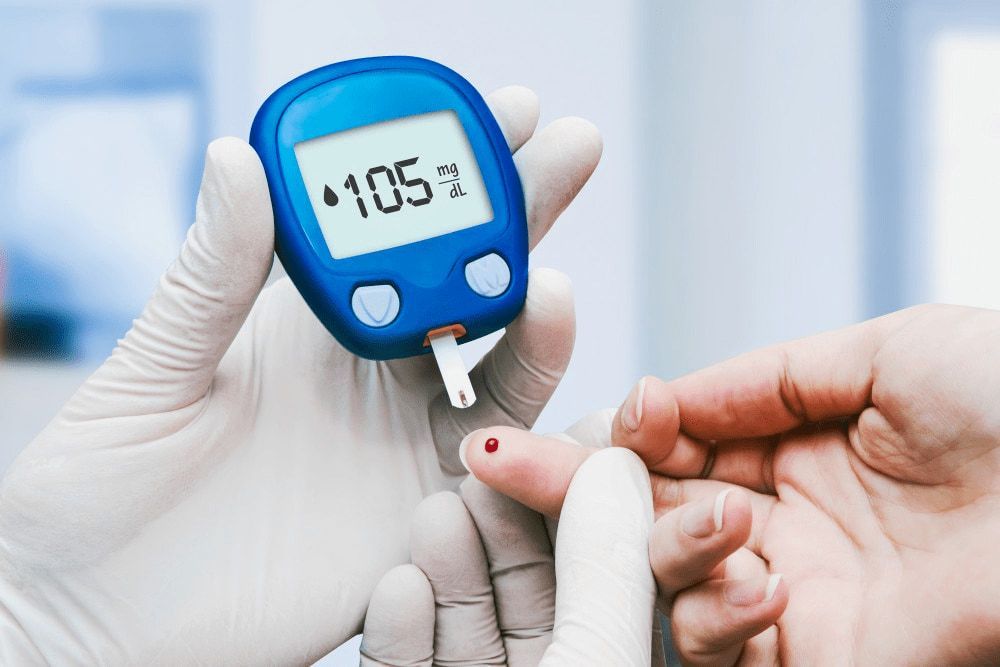
Diabetes management requires a personalised and coordinated approach that addresses both the immediate and long-term aspects of the condition. At Tuncurry Medical Centre in Tuncurry, we offer structured diabetic care focused on supporting patients with type 1, type 2, and gestational diabetes. Services follow Australian clinical guidelines and include regular monitoring of blood glucose levels, blood pressure, and cholesterol, as well as assessments for diabetes-related complications. Care is provided by AHPRA-registered general practitioners who work collaboratively with other healthcare providers, including dietitians and endocrinologists where needed. Patient education plays a central role—consultations aim to build understanding around medication use, dietary management, foot care, and lifestyle modifications to support better health outcomes over time.
The practice provides ongoing support for managing diabetes through individualised care and evidence-based guidance. To book an appointment, contact Tuncurry Medical Centre on (02) 6554 5531.
Managing Diabetes with Ongoing Support
Effective diabetes care involves regular health reviews and proactive risk monitoring. During a diabetes review, your doctor will discuss your current symptoms, check your HbA1c levels (average blood glucose over time), and review any medications, including insulin or oral hypoglycaemics. Other key assessments may include kidney function tests, eye screening referrals, and foot examinations to detect early signs of neuropathy. Patients are also supported with lifestyle advice tailored to their condition, helping to reduce complications such as heart disease or peripheral vascular issues. Diabetes care plans may be developed to coordinate services through Medicare’s Chronic Disease Management program, allowing access to allied health professionals and regular care team reviews.
Structured, professional care makes it easier to manage diabetes over time. For regular reviews or support managing your condition, get in touch today.

What is the difference between type 1 and type 2 diabetes?
Type 1 diabetes is an autoimmune condition where the body’s immune system destroys insulin-producing cells in the pancreas. It usually develops in childhood or early adulthood and requires lifelong insulin therapy. Type 2 diabetes is more common and generally develops later in life. It occurs when the body becomes resistant to insulin or doesn’t produce enough of it. Type 2 can often be managed through diet, exercise, oral medications, or insulin, depending on severity. Regular monitoring and medical review are essential for both types to prevent complications.
What is HbA1c and why is it important?
HbA1c is a blood test that measures the average blood glucose levels over the past two to three months. It is a key indicator of long-term diabetes control. An HbA1c level under 7% is often considered the target for most adults with diabetes, though individual goals may vary. Regular HbA1c testing helps assess how well current treatment is working and whether adjustments are needed. This test is typically performed every 3–6 months as part of a structured diabetes review.
Can diabetes be reversed?
While type 1 diabetes cannot be reversed, some individuals with early-stage type 2 diabetes may experience remission through sustained weight loss, dietary changes, and increased physical activity. However, remission does not mean the condition is cured—ongoing monitoring is still essential. Evidence suggests that lifestyle interventions and metabolic surgery may help achieve remission in certain cases, particularly where the diagnosis is recent and pancreatic function is preserved. Any treatment changes should be made under the supervision of a healthcare provider.


